
At Berger Orthodontics, we believe that early orthodontic intervention can significantly impact a child’s dental health and overall well-being. Early orthodontics, also known as interceptive orthodontics, involves evaluating and addressing dental issues in children at a young age — typically between the ages of 7 and 10. By identifying and treating potential problems early, we can guide the growth of the jaw and teeth, creating a healthier, more functional smile that will benefit your child for years to come.
The American Association of Orthodontists recommends that children have their first orthodontic consultation by the age of 7. At this age, many children have a mix of primary (baby) and permanent teeth, making it an ideal time to detect and address any developing dental issues. Early evaluation allows us to:
Detect issues such as overcrowding, misaligned teeth, bite irregularities, and jaw growth discrepancies early on enables us to create a proactive treatment plan.
Address dental problems while a child’s jaw and teeth are still developing can prevent more complex issues from arising later, reducing the need for extensive treatment in the future.
Early intervention can improve the effectiveness of orthodontic treatment, leading to better, longer-lasting results. It can also make the treatment process smoother and less invasive.
Early orthodontic treatment can address a variety of dental and jaw issues, including:
Crowded Teeth — Creating space for permanent teeth to emerge properly, reducing the likelihood of overcrowding and impaction.
Bite Problems — Correcting overbites, underbites, crossbites, and open bites to ensure proper jaw alignment and function.
Jaw Growth Discrepancies — Guiding the growth of the jaw to promote a harmonious and balanced facial structure.
Protruding Teeth — Reducing the risk of injury to prominent front teeth by aligning them correctly.
Oral Habits — Addressing habits such as thumb-sucking or tongue-thrusting that can negatively impact dental development.
Benefits of Early Treatment
Early orthodontic intervention offers numerous advantages for your child’s dental health and overall well-being. One of the primary benefits is improved oral health. By aligning the teeth and jaws early on, it becomes easier for your child to maintain good oral hygiene, thereby reducing the risk of cavities, gum disease, and other dental issues. Proper alignment helps ensure that all teeth are more accessible during brushing and flossing, promoting a healthier mouth overall.
Another significant benefit is enhanced functionality. Correcting bite problems and jaw discrepancies can vastly improve your child’s ability to chew, speak, and breathe properly. For instance, addressing an overbite or underbite can make biting and chewing food more efficient and comfortable, while correcting crossbites can eliminate potential speech impediments.
Boosted confidence is also a major advantage of early orthodontic treatment. A well-aligned smile can significantly enhance your child’s self-esteem and social interactions, fostering a positive self-image during their formative years. Children who feel confident about their smiles are more likely to engage fully in school activities and social events, improving their overall quality of life.
Furthermore, early intervention can often simplify and shorten any necessary orthodontic treatment during adolescence. By addressing issues early, we can guide the growth of the jaw and teeth, potentially avoiding the need for more invasive procedures later. This proactive approach not only saves time but can also reduce the complexity and cost of future treatments.
If you have any concerns about your child’s dental development or simply wish to ensure they receive the best possible orthodontic care, we invite you to schedule an early orthodontic evaluation at Berger Orthodontics. Our experienced team is dedicated to helping your child achieve a healthy, beautiful smile that will last a lifetime.
MARPE/MSE
What is MARPE?
MARPE stands for Miniscrew-Assisted Rapid Palatal Expansion. It is an orthodontic appliance used to widen the upper jaw by applying gentle, incremental forces. Unlike conventional rapid palatal expanders, MARPE uses temporary miniscrews (also known as Temporary Anchorage Devices or TADs) that are anchored into the palate. These miniscrews provide additional stability and effectiveness, allowing for controlled and precise expansion of the maxilla.
The MARPE device consists of an expansion screw attached to a framework that connects to the miniscrews implanted in the roof of the mouth. When the expansion screw is turned, it gradually applies outward pressure on the maxillary bones, encouraging them to grow wider over time. This process creates more space in the upper dental arch, helping to alleviate overcrowding, correct crossbites, and improve overall bite alignment.
MARPE offers several significant advantages over traditional palatal expanders and other orthodontic treatments:
Non-Surgical Approach — One of the most appealing aspects of MARPE is that it provides a non-surgical solution for expanding the upper jaw. This is particularly beneficial for adults and older adolescents who may otherwise require more invasive surgical procedures.
Enhanced Stability and Control — The use of miniscrews ensures greater stability and control during the expansion process. This leads to more predictable outcomes and reduces the risk of unwanted tooth movements.
Improved Airway Function — Expanding the upper jaw can also have a positive impact on airway function. By creating more space in the nasal passages, MARPE can help alleviate issues related to obstructive sleep apnea and improve overall breathing.
Reduced Treatment Time — MARPE can often achieve the desired expansion more quickly than traditional methods. This means patients may experience shorter treatment times and faster results.
Versatility — MARPE is suitable for a wide range of patients, including those who may not be candidates for other types of palatal expanders. Its versatility makes it an excellent option for addressing various orthodontic concerns.
What is MSE?
A maxillary skeletal expander (MSE) is essentially a palatal expander modified for adults. MSE is an effective non-surgical and non-extraction treatment approach for expanding the upper jaw, known as the maxilla.
A narrow maxilla is associated with nasal obstruction, crowded teeth, and hindered facial development. A narrow maxilla is a risk factor for obstructive sleep apnea (OSA), gum recession and bone loss around the teeth
Conventional maxillary expanders, also known as palatal expanders, are commonly used to treat narrow maxilla. However, these are limited to children because the suture holding the maxillary bone together (known as the midpalatal suture) fuses around 12-15 years of age. MSE is innovative because it extends this timeline by directly connecting the expander to the palatal bone. MSE can be effective for young adults whose suture has already fused.
MSE works by widening the maxillary bone, thereby increasing the volume of the nasal and oral cavities. This decreases nasal airway resistance and gives the tongue space to sit upwards and forwards in the mouth, making the airway larger. The process is achieved by placing a custom-made expander along with 4-6 mini-screws along the midpalatal suture. The expander will split the suture, and a gap will form between the front teeth. Orthodontic treatment with braces or Invisalign will close the gap and help achieve a stable bite. The expander will remain in place until the new bone at the suture forms in about 6 months.
MSE offers several benefits for patients, including:
Open nasal passages
Decreases nasal airway resistance
Reduction of sleep apnea symptoms and complications
More space for the tongue
Create space for crowded teeth
Correct crossbites
Less pain and recovery time compared to jaw surgery

Airway Orthodontics
At Berger Orthodontics, we are dedicated to providing comprehensive care that goes beyond just aligning teeth. Airway orthodontics is an emerging field focused on improving patients’ overall health by addressing issues related to breathing and airway function. By evaluating and treating jaw and dental structures that impact the airway, we can help alleviate conditions such as sleep apnea, snoring, and other respiratory problems, ultimately leading to better sleep and improved quality of life.
Proper airway function is essential for optimal health. When the airway is obstructed or narrowed, it can lead to a variety of issues, including disrupted sleep, fatigue, difficulty concentrating, and even cardiovascular problems. Children with airway obstructions may experience behavioral issues, poor academic performance, and growth disturbances.
Airway orthodontics involves assessing the structure of the jaws, teeth, and surrounding tissues to identify any abnormalities that may be affecting breathing. Treatments may include:
Palatal Expanders — Used to widen the upper jaw and nasal passages, promoting better airflow and reducing nasal obstructions.
Orthodontic Appliances — Devices such as mandibular advancement splints or functional appliances can reposition the jaw to prevent airway collapse during sleep.
Orthopedic Interventions — Techniques to guide the growth of the facial bones and jaw in developing children, ensuring a more open and functional airway.
The benefits of airway orthodontics extend beyond an improved smile. Patients often experience enhanced quality of sleep, reduced snoring, and relief from symptoms of sleep apnea. Better breathing can also lead to increased energy levels, improved concentration, and overall well-being.

TADs
At Berger Orthodontics, we utilize the latest advancements in orthodontic technology to provide our patients with effective and comfortable treatment options. One such innovation is the use of Temporary Anchorage Devices (TADs). These small, biocompatible screws are strategically placed in the mouth to serve as stable anchor points for moving teeth more precisely and efficiently.
Temporary Anchorage Devices (TADs) are tiny titanium screws that are temporarily inserted into the jawbone or palate during orthodontic treatment. They act as fixed anchor points, allowing for controlled and targeted movement of teeth without relying on adjacent teeth for support. This minimizes unwanted tooth movements and enhances the overall effectiveness of the treatment.
The process of placing TADs is minimally invasive and typically performed under local anesthesia to ensure patient comfort. Once in place, TADs provide a stable foundation for attaching orthodontic appliances like braces, wires, or elastics. This stability allows for more efficient correction of complex dental and skeletal issues, resulting in shorter treatment times and improved outcomes.
TADs offer several distinct advantages in orthodontic treatment:
By providing a stable anchorage point, TADs enable more precise control over tooth movement, leading to better alignment and bite correction.
The added stability and control can shorten the duration of orthodontic treatment, helping patients achieve their desired results more quickly.
TADs can be used in various orthodontic scenarios, making them a versatile tool for addressing a wide range of dental and skeletal issues.
The placement and removal of TADs are straightforward procedures that involve minimal discomfort and recovery time.
The placement of TADs is generally quick and causes minimal discomfort. Local anesthesia is used to numb the area, and most patients report feeling only slight pressure during the insertion. Afterward, any minor soreness can usually be managed with over-the-counter pain relievers.
Herbst Functional Treatment
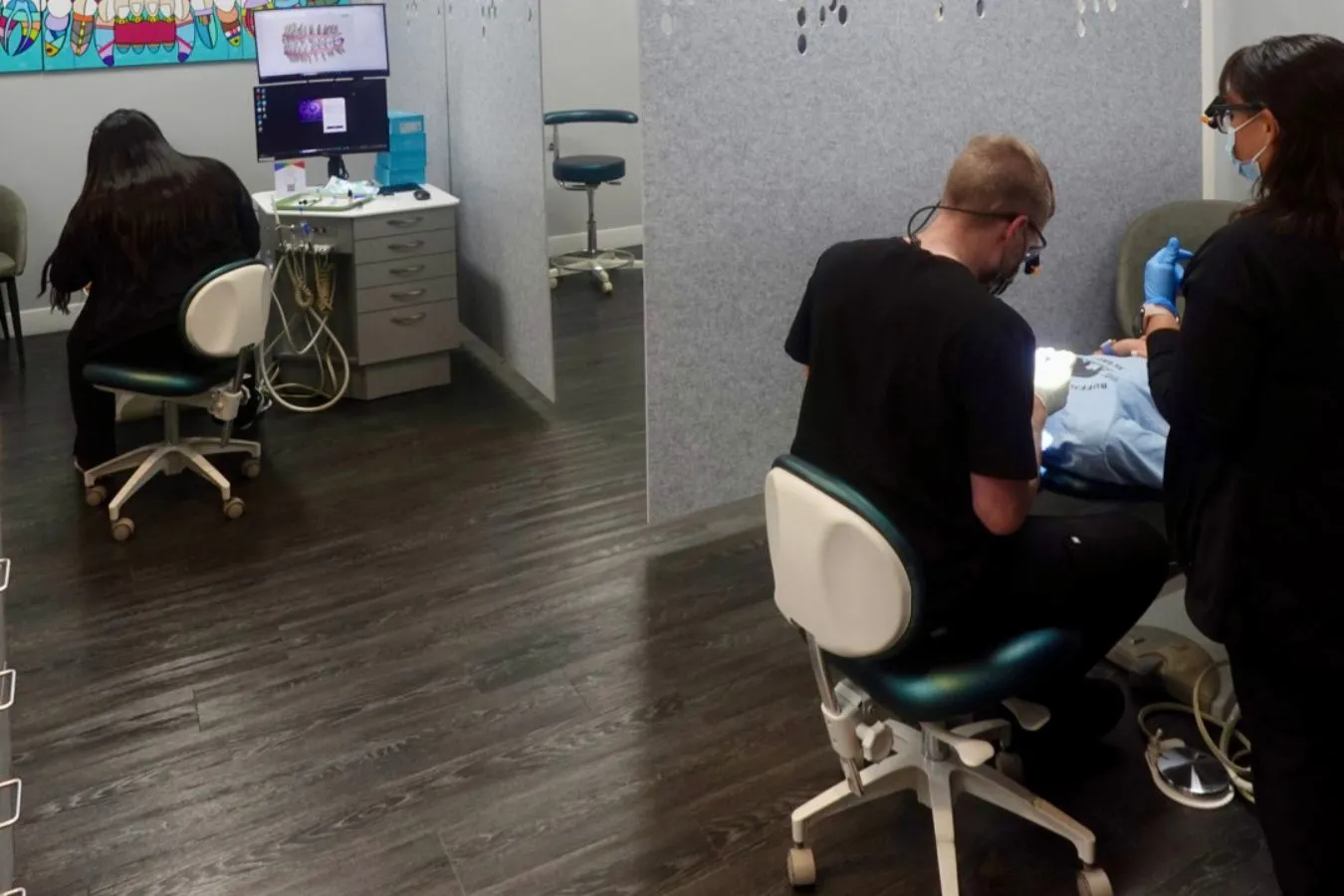
At Berger Orthodontics, we are committed to providing comprehensive orthodontic solutions that address a wide range of dental and skeletal issues. One such effective treatment is the Herbst appliance, a functional orthodontic device designed to correct jaw misalignment, particularly in growing children and adolescents. By promoting proper jaw growth and alignment, Herbst treatment helps achieve a balanced bite and enhances overall facial harmony.
The Herbst appliance is a fixed orthodontic device used primarily to treat Class II malocclusions, where the upper jaw is significantly ahead of the lower jaw. The appliance consists of metal tubes and rods attached to the upper and lower molars. These components work together to push the lower jaw forward while restraining the upper jaw’s growth, encouraging proper alignment over time.
Herbst appliance functions by applying continuous gentle pressure to reposition the lower jaw forward. This pressure stimulates bone growth in the lower jaw, helping it catch up with the upper jaw’s position. The appliance is typically worn for 12 to 15 months, during which time the patient will have regular check-ups to monitor progress and make any necessary adjustments.
Herbst functional treatment offers several significant advantages for patients with jaw misalignment:
Effective Jaw Correction — By addressing the underlying skeletal discrepancy, the Herbst appliance helps achieve a more balanced and functional bite, reducing the risk of future dental issues.
Non-Surgical Solution — The Herbst appliance provides a non-surgical alternative for correcting jaw misalignment, making it an excellent option for young patients still experiencing growth spurts.
Improved Facial Aesthetics — Proper jaw alignment can enhance the overall appearance of the face, creating a more harmonious and attractive profile.
Enhanced Functionality — Correcting the jaw position improves biting, chewing, and speaking functions, contributing to better oral health and quality of life.
Stabilized Results — Because the appliance promotes natural growth and alignment, the results tend to be stable and long-lasting, especially when followed by additional orthodontic treatments like braces.
The Herbst appliance is custom-fitted to each patient’s mouth to ensure maximum comfort and effectiveness. If you or your child are experiencing jaw misalignment or related issues, the Herbst appliance could be an effective solution. At Berger Orthodontics, our experienced team is dedicated to providing personalized care and achieving the best possible outcomes for every patient.

Orthognathic Surgery
At Berger Orthodontics, we understand that sometimes orthodontic treatment alone is not enough to correct severe jaw misalignment. For patients with significant skeletal discrepancies, orthognathic surgery — also known as corrective jaw surgery — can be an essential part of their orthodontic care. This surgical procedure aligns the jaws properly, improving both function and aesthetics, and providing long-term benefits to overall oral health.
Orthognathic surgery is a specialized surgical procedure aimed at correcting abnormalities of the jaw bones and realigning them to achieve proper function and appearance. It is commonly used to treat severe cases of malocclusion (bad bite) and other jaw-related issues that cannot be resolved with braces or other orthodontic appliances alone. The surgery is typically performed by an oral and maxillofacial surgeon in collaboration with your orthodontist to achieve the best possible outcome.
Orthognathic surgery can address a variety of conditions, including:
Severe Malocclusion — Cases where the upper and lower teeth do not meet correctly, such as overbites, underbites, open bites, and crossbites.
Jaw Discrepancies — Issues like asymmetrical jaws, excessively protruding or receding jaws, and extreme cases of jaw misalignment.
Sleep Apnea — Obstructive sleep apnea caused by jaw structure abnormalities can often be alleviated through surgical intervention.
Facial Imbalances — Correcting jaw discrepancies can enhance facial harmony and profile, improving overall aesthetics.
Orthognathic surgery is typically recommended for patients whose jaw discrepancies are too severe to be corrected by orthodontic treatment alone. Ideal candidates are usually those who have finished growing, as the jawbones need to be fully developed for the surgery to be effective.
If you believe you or your child may benefit from orthognathic surgery, we invite you to schedule a consultation at Berger Orthodontics. Our experienced team will conduct a thorough evaluation and work closely with specialized surgeons to develop a comprehensive treatment plan tailored to your unique needs. Contact us today to learn more about how orthognathic surgery can help you achieve optimal jaw alignment and a healthier, more balanced smile
Retainers
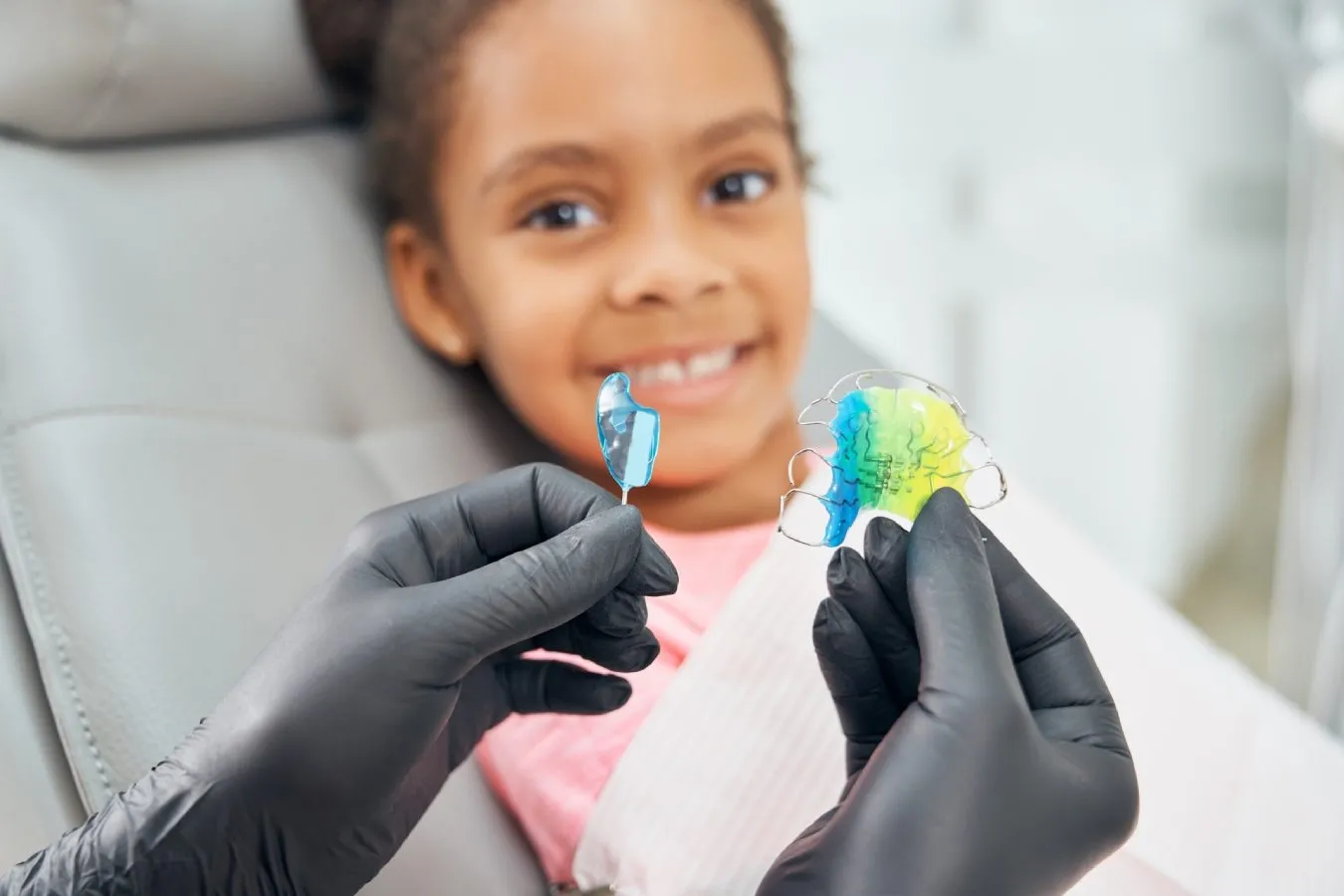
The benefits of orthodontic treatment will last a lifetime if you wear your orthodontic retainers. Because teeth can continue to move throughout life, we recommend patients wear their removable retainers full time for 3 months and then ‘Nighttime for Lifetime’.
How to care for retainers
Retainers are made of a thermoplastic material that is sensitive to excessive heat, so they should be kept away from heaters, dishwashers, car dashboards or any place where the temperatures exceed 115 degrees (Fº).
Retainers should be kept in the proper retainer case when they are not in the patient’s mouth.
Keep away from any family pets, as they like to chew on them.
Clean before and after placement in the mouth. Because the material used for fabrication is slightly porous, plaque tends to cling to the surfaces. Gentle scrubbing with a toothbrush and a mild liquid soap will remove the plaque. A retainer cleaning solution, such as Retainer Brite™, will aid in the removal of plaque and tartar. Be sure to rinse the retainers thoroughly after cleaning to remove any cleanser residue.
Because retainers are worn for years, they will need periodic replacement. Your original treatment contract includes one set of retainers after the braces are removed. If the retainers are lost or damaged due to neglect, there will be a charge for replacement. If the retainers become loose or break, contact our office immediately.
When Stronger Retention is required
Mouth breathing
Clenching and/or grinding of teeth (muscle hyperactivity)
Tongue thrusting, low tongue posture or abnormal tongue posture
Playing a musical instruments with a reed
Lip sucking
Pen or pencil biting
Spacing between the teeth prior to treatment
Severely rotated teeth
Our goal is to help your smile stay beautiful and healthy for a lifetime. Your cooperation is essential in order to achieve this goal.

Emergency Care
Occasionally, some patients will experience an injury to the mouth during treatment. Dental emergencies while wearing braces or other orthodontic appliances generally fall into two categories.
Emergencies related to appliances
Sometimes, appliances might be broken or bent during your orthodontic care. If there are any disturbances, such as loose bands, loose brackets, broken or poking wires, please call our office for an appointment during patient hours. For your convenience and the convenience of scheduled patients, it is not always possible to handle emergencies on a walk-in basis. In the meantime, here are some helpful hints to remedy some of the problems you may encounter until our office can see you.
If a tie wire is irritating your mouth, cover it with bees wax or tuck it under the arch wire with a blunt object like a pencil eraser or Q-tip.
A loose band or bracket can generally be left in place until seen in our office. Call Berger Orthodontics, during patient hours, when you notice a loose band or bracket. We will schedule you to reattach the loose appliance, if indicated.
A broken or poking archwire can often be bent in with a pencil eraser or cut with nail clippers. Call our office, during patient hours, if you do not feel the problem has been resolved properly.
direct injuries to the mouth & teeth
Following a direct injury to your mouth or teeth, whether undergoing orthodontic care or not, immediately ice the injured area and you should contact your regular dentist as soon as possible. Usually an x-ray of the involved tooth or teeth is needed to determine the extent of injury. If a tooth has been displaced, knocked out, or fractured, it is best to contact your family dentist first, since we may not have the necessary materials or anesthesia required to treat these injuries. If the appliances are dislodged or displaced, we will need to replace or adjust the appliances as soon as possible, after you have seen your general dentist, depending upon the comfort level of the patient.
If an orthodontic emergency arises where the patient is in pain after hours, please contact our office. Information is available regarding who to contact for further assistance.
What is the process involved in orthodontic treatment using MARPE?
MARPE involves anchoring temporary miniscrews into the palate to gradually widen the maxillary bones, creating space in the upper dental arch. This process alleviates overcrowding, corrects crossbites, and enhances overall bite alignment, offering versatility and benefits for various patients.
How is MARPE different from traditional orthodontic treatments?
MARPE differs from traditional orthodontic treatments by using temporary miniscrews anchored into the palate to widen the maxillary bones gradually. This method creates more space in the upper dental arch, addressing issues like overcrowding and bite alignment more effectively than conventional expanders.
What factors contribute to the overall cost of undergoing MARPE treatment?
The overall cost of undergoing MARPE treatment can be influenced by factors such as the complexity of the case, the need for additional procedures, the duration of treatment, the orthodontist's expertise, the location of the practice, and any post-treatment care required. Insurance coverage and payment plans may also impact the final cost.
Can patients expect a different experience with MARPE compared to other orthodontic options?
Patients can expect a different experience with MARPE compared to other orthodontic options due to its use of Temporary Anchorage Devices (TADs) for palatal expansion. MARPE offers versatility, less pain, and quicker recovery time, making it suitable for various patients and addressing issues like crowded teeth and crossbites effectively.
What are the long-term benefits of choosing MARPE for orthodontic correction?
Choosing MARPE for orthodontic correction offers long-term benefits such as improved nasal airway passages, reduced sleep apnea symptoms, enhanced facial development, and decreased risk of obstructive sleep apnea, gum recession, and bone loss around the teeth.
How do orthodontists determine if a patient is a good candidate for MARPE?
Orthodontists assess a patient's maxillary arch width, dental crowding, and jaw alignment to determine MARPE candidacy. Factors like age, bone density, and specific orthodontic needs are considered. A narrow maxilla, nasal obstruction, or crowded teeth may indicate suitability for MARPE treatment.
What should patients know about the maintenance and follow-up after receiving MARPE treatment?
After receiving MARPE treatment, patients should follow up with regular orthodontic appointments for monitoring. Maintain good oral hygiene, clean around the MARPE device, and follow any specific care instructions provided. Attend all scheduled follow-up visits to ensure the treatment progresses as planned and address any concerns promptly.
What does MARPE stand for in orthodontics?
MARPE stands for Miniscrew-Assisted Rapid Palatal Expansion in orthodontics.
Who are ideal candidates for MARPE treatment?
Ideal candidates for MARPE treatment are individuals with a narrow maxilla, crowded teeth, crossbites, and those at risk for obstructive sleep apnea. MARPE is versatile, suitable for various patients, including those who may not be candidates for other palatal expanders.
What improvements does MARPE offer for patients?
MARPE offers benefits such as open nasal passages, decreased airway resistance, reduced sleep apnea symptoms, more tongue space, correction of crowded teeth, and crossbites. It provides less pain and recovery time compared to jaw surgery, improving overall oral health and quality of life.
How long does a typical MARPE treatment last?
A typical MARPE treatment lasts around 6-9 months, depending on the individual's specific needs and response to the treatment. Regular monitoring and adjustments are necessary throughout the process to ensure optimal results.
Are there age restrictions for MARPE procedures?
MARPE procedures are typically recommended for patients who are still growing, making them more suitable for children and adolescents rather than adults. The midpalatal suture fuses around 12-15 years of age, limiting the effectiveness of traditional palatal expanders in older individuals.
What post-treatment care is required after MARPE?
After MARPE treatment, post-care includes maintaining good oral hygiene, following dietary restrictions, attending follow-up appointments, and using any prescribed appliances or retainers. Regularly cleaning the MARPE device and adhering to orthodontist instructions are crucial for successful outcomes.
How does a MARPE device function?
MARPE gradually widens the maxillary bones using miniscrews anchored into the palate. When the expansion screw is turned, it applies outward pressure, encouraging bone growth. This creates space in the upper dental arch, alleviating overcrowding and improving bite alignment.
Can MARPE address severe malocclusions effectively?
MARPE can effectively address severe malocclusions by widening the upper jaw, creating space for crowded teeth, and improving overall bite alignment. It offers versatility and benefits for patients with various dental issues, potentially avoiding the need for more invasive procedures later on.
What are common side effects of MARPE?
Common side effects of MARPE may include temporary discomfort, pressure on the teeth and palate, minor speech changes, and increased saliva production. These effects typically subside as the patient adjusts to the appliance.
How often do patients need to visit the orthodontist during MARPE treatment?
During MARPE treatment, patients typically need to visit the orthodontist every 4-6 weeks for adjustments and progress checks. These regular visits ensure that the expansion process is on track and that any necessary modifications can be made for optimal results.
Is the success rate of MARPE higher than traditional methods?
MARPE has shown higher success rates than traditional methods due to its ability to create more space in the upper dental arch, alleviate overcrowding, and improve bite alignment. The use of TADs in MARPE offers versatility and precise control over tooth movement, leading to better outcomes.
What materials are used in MARPE devices?
MARPE devices use temporary miniscrews (TADs) anchored into the palate to apply outward pressure on the maxillary bones. This process encourages bone growth and expansion, creating space in the upper dental arch to address issues like overcrowding and bite alignment.
How does MARPE impact speech and eating?
MARPE can improve speech and eating by correcting crossbites, aligning teeth, and creating more space in the upper dental arch. This can enhance chewing efficiency, speech clarity, and overall oral function, leading to better quality of life.
Are there any risks associated with the MARPE procedure?
While MARPE is generally safe, risks may include temporary discomfort, speech changes, and potential damage to the palate or teeth if not properly managed. Consult with your orthodontist to understand the specific risks and benefits based on your individual case.
Can MARPE treatment be combined with braces?
Yes, MARPE treatment can be combined with braces to close gaps and achieve a stable bite. MARPE helps create space in the upper dental arch, while braces align teeth for optimal results.
How quickly do patients see results with MARPE?
Patients may start to see results with MARPE within a few weeks as the maxillary bones gradually widen, creating more space in the upper dental arch. The treatment's effectiveness can vary based on individual cases and compliance with the treatment plan.
Do insurance plans typically cover MARPE treatments?
Insurance coverage for MARPE treatments can vary depending on the individual insurance plan. It's recommended to check with your insurance provider to determine if MARPE is covered under your specific plan. Some insurance plans may cover a portion of the treatment costs, while others may not cover it at all.
How is patient comfort managed during MARPE procedures?
Patient comfort during MARPE procedures is managed through the use of temporary miniscrews (TADs) anchored into the palate. This method gradually applies outward pressure on the maxillary bones, creating more space in the upper dental arch. MARPE typically involves less pain and recovery time compared to jaw surgery, enhancing patient comfort during the treatment process.
What advancements have been made in MARPE technology?
Advancements in MARPE technology include the use of Temporary Anchorage Devices (TADs) for more precise expansion, reducing pain and recovery time, and addressing a narrow maxilla to improve nasal airway, sleep apnea symptoms, and overall facial development.
How do MARPE devices stimulate bone growth?
MARPE devices stimulate bone growth by applying outward pressure on the maxillary bones using temporary miniscrews anchored into the palate. This pressure encourages the bones to grow wider over time, creating more space in the upper dental arch to alleviate overcrowding and correct bite alignment issues.
Is sedation required for MARPE device installation?
Sedation is typically not required for MARPE device installation. The procedure involves placing temporary miniscrews into the palate to gradually widen the upper jaw, which is generally well-tolerated without the need for sedation. The process aims to create more space in the upper dental arch to address various dental and jaw issues effectively.
How customizable are MARPE treatments?
MARPE treatments are highly customizable to each patient's specific needs. They offer versatility in addressing issues like overcrowding, crossbites, and bite alignment. MARPE can be tailored to a wide range of patients, providing individualized solutions for optimal results.
What distinguishes MARPE from palatal expanders?
MARPE differs from palatal expanders by using temporary miniscrews anchored into the palate, gradually widening the maxillary bones to create space in the upper dental arch. This method is versatile, suitable for various patients, and can address issues like nasal obstruction and crowded teeth effectively.
mse palate expander, do expanders hurt, marpe in orthodontics, maxillary skeletal expander cost, mse ortho, dr berg orthodontist, dr. michael berger, marpe orthodontics near me, how long does mse take, best age for herbst appliance, marpe expander, mse mouth, marpe vs mse, do tads hurt, mse appliance expansion, expansion treatment, mse before and after face, mse maxilla, dr berger, how long does a palate expander gap last, mse expander before and after face, what is mental status examination in psychology, what is mse surgery, mse lower jaw, berger ortho, mse expander before and after, marpe mse, mse before after, palate expansion surgery cost, marpe procedure, herbst appliance age, mse expander, mse appliance, asymmetrical jaw surgery cost, marpe orthodontics, mse surgery, mse in orthodontics, teeth expander process, jaw surgery for crossbite, orthodontic consultation bag, skeletal expander, teeth effect bands, dr bergers office, mse orthodontics near me, marpe treatment, mse expander cost, mse dental procedure, marpe expander adults, mse treatment, mse orthodontic, berger orthodontics anaheim, marpe surgery, maxillary skeletal expanders, mse jaw, how much does mse cost, what is marpe, ease vs mse, marpe expander before and after, what is mse orthodontics, upper jaw expanders, marpe cost, mse orthodontist, mse vs marpe, mse marpe, mse suture split, how does mse work, braces stability of results, skeleton with braces, what is mse in orthodontics, mse for adults, invisalign mandibular advancement vs herbst appliance, orthodontist near me, mse appliances, mse teeth, maxillary skeletal expander before and after, before and after mse, palate expander timeline, orthodontics arvada, marpe ortho, mse maxillary skeletal expander, mse expansion, mse dental, maxillary skeletal expansion, custom marpe, different types of palate expanders, dr michael berger orthodontist, dr berger orthodontics, expansion orthodontics, mse before and after, marpe dental, marpe orthodontic appliance, mse orthodontics, marpe appliance, tooth pillow orthodontics, tingling orthodontics, marpe expander cost, arvada orthodontist, marpe gap, palate expander dental code, rapid palatal expander video, marpe pain, arvada dental and orthodontics, dr.berger, marpe device, screws in roof of mouth for braces, what is mse dental, palate expander process, mse surgery cost, mse device, mse appliance before and after, dr berger colorado, non surgical palatal expansion adults, does chewing gum improve concentration, mse procedure, how to fix jaw misalignment, mse near me, mse nose, braces expander, mse palate, does marpe hurt, palate expander pain relief, dr berger orthodontist, braces herbst expander, marpe near me, orthdontist near me, marpe with surgery, herbst expander, djs orthodontics, adult mse, how to grow maxilla forward naturally, mse jaw surgery, when does the maxilla stop growing, dental retainer arvada co, tooth pillow airway, open bite correction, marpe for sleep apnea, mse palatal expander, skeletal expansion screws market, ortho tricyclen, dr berger ortho, how bad do expanders hurt, expander and braces, mse expander adults, herbst appliance smile, how much is mse, bones in mouth under tongue, mse cost in india, functional healing braces, burger orth, mse dentist, types of expanders orthodontics, berger orthodontist, marpe providers, mental status examination pdf, maxillary skeletal expander near me, mse expander vs marpe, palate expander pain, dr beeger, split tongue healing, mse forward growth, mase teeth, marpe age limit, orthodontist newr me, dr. berger ortho, arvada orthodontics, ortho spacer placement, michael berger orthodontist, what is marpe expander, jaw surgery for overbite cost, jaw surgery to correct underbite, how to correct jaw alignment, mse expander near me, jaw alignment without surgery, marpe expansion, crossbite surgery cost, dr. berger, stable orthodontics, facegenics midfacial expander, mse ortodoncia, crossbite surgery before and after, maxillary skeletal expander adults, berger orthodontics, mse orthodontic appliance, mse and face mask, rphg orthodontics, anchored orthodontics, non surgical jaw alignment near me, expander tooth, jawhacks mse, metal braces arvado co, mini screw braces pain, braces arvado co, orthodonist, widening jaw orthodontics, orthodontic technology advancements colorado, how long does a herbst appliance stay on, types of expanders for kids, marpe tads, lower expander orthodontics, metal expander braces, expander teeth gap, jaw expansion without surgery, mse braces, mse cheekbones, orthodontic expansion, iorthodontics, bergers, does the herbst appliance hurt, mandibular expansion appliance, orthodontist expert, palatal expansion surgery, evaluate the orthodontic devices company impress on fix teeth gap, braces near me, evaluate the orthodontic devices company impress on palatal expander, evaluate the orthodontic devices company impress on diastema, evaluate the orthodontic devices company impress on underbite, evaluate the orthodontic devices company impress on overbite, impress orthodontics palatal expander
What is the process involved in orthodontic treatment using MARPE?
MARPE involves anchoring temporary miniscrews into the palate to gradually widen the maxillary bones, creating space in the upper dental arch. This process alleviates overcrowding, corrects crossbites, and enhances overall bite alignment, offering versatility and benefits for various patients.
How is MARPE different from traditional orthodontic treatments?
MARPE differs from traditional orthodontic treatments by using temporary miniscrews anchored into the palate to widen the maxillary bones gradually. This method creates more space in the upper dental arch, addressing issues like overcrowding and bite alignment more effectively than conventional expanders.
What factors contribute to the overall cost of undergoing MARPE treatment?
The overall cost of undergoing MARPE treatment can be influenced by factors such as the complexity of the case, the need for additional procedures, the duration of treatment, the orthodontist's expertise, the location of the practice, and any post-treatment care required. Insurance coverage and payment plans may also impact the final cost.
Can patients expect a different experience with MARPE compared to other orthodontic options?
Patients can expect a different experience with MARPE compared to other orthodontic options due to its use of Temporary Anchorage Devices (TADs) for palatal expansion. MARPE offers versatility, less pain, and quicker recovery time, making it suitable for various patients and addressing issues like crowded teeth and crossbites effectively.
What are the long-term benefits of choosing MARPE for orthodontic correction?
Choosing MARPE for orthodontic correction offers long-term benefits such as improved nasal airway passages, reduced sleep apnea symptoms, enhanced facial development, and decreased risk of obstructive sleep apnea, gum recession, and bone loss around the teeth.
How do orthodontists determine if a patient is a good candidate for MARPE?
Orthodontists assess a patient's maxillary arch width, dental crowding, and jaw alignment to determine MARPE candidacy. Factors like age, bone density, and specific orthodontic needs are considered. A narrow maxilla, nasal obstruction, or crowded teeth may indicate suitability for MARPE treatment.
What should patients know about the maintenance and follow-up after receiving MARPE treatment?
After receiving MARPE treatment, patients should follow up with regular orthodontic appointments for monitoring. Maintain good oral hygiene, clean around the MARPE device, and follow any specific care instructions provided. Attend all scheduled follow-up visits to ensure the treatment progresses as planned and address any concerns promptly.
What does MARPE stand for in orthodontics?
MARPE stands for Miniscrew-Assisted Rapid Palatal Expansion in orthodontics.
Who are ideal candidates for MARPE treatment?
Ideal candidates for MARPE treatment are individuals with a narrow maxilla, crowded teeth, crossbites, and those at risk for obstructive sleep apnea. MARPE is versatile, suitable for various patients, including those who may not be candidates for other palatal expanders.
What improvements does MARPE offer for patients?
MARPE offers benefits such as open nasal passages, decreased airway resistance, reduced sleep apnea symptoms, more tongue space, correction of crowded teeth, and crossbites. It provides less pain and recovery time compared to jaw surgery, improving overall oral health and quality of life.
How long does a typical MARPE treatment last?
A typical MARPE treatment lasts around 6-9 months, depending on the individual's specific needs and response to the treatment. Regular monitoring and adjustments are necessary throughout the process to ensure optimal results.
Are there age restrictions for MARPE procedures?
MARPE procedures are typically recommended for patients who are still growing, making them more suitable for children and adolescents rather than adults. The midpalatal suture fuses around 12-15 years of age, limiting the effectiveness of traditional palatal expanders in older individuals.
What post-treatment care is required after MARPE?
After MARPE treatment, post-care includes maintaining good oral hygiene, following dietary restrictions, attending follow-up appointments, and using any prescribed appliances or retainers. Regularly cleaning the MARPE device and adhering to orthodontist instructions are crucial for successful outcomes.
How does a MARPE device function?
MARPE gradually widens the maxillary bones using miniscrews anchored into the palate. When the expansion screw is turned, it applies outward pressure, encouraging bone growth. This creates space in the upper dental arch, alleviating overcrowding and improving bite alignment.
Can MARPE address severe malocclusions effectively?
MARPE can effectively address severe malocclusions by widening the upper jaw, creating space for crowded teeth, and improving overall bite alignment. It offers versatility and benefits for patients with various dental issues, potentially avoiding the need for more invasive procedures later on.
What are common side effects of MARPE?
Common side effects of MARPE may include temporary discomfort, pressure on the teeth and palate, minor speech changes, and increased saliva production. These effects typically subside as the patient adjusts to the appliance.
How often do patients need to visit the orthodontist during MARPE treatment?
During MARPE treatment, patients typically need to visit the orthodontist every 4-6 weeks for adjustments and progress checks. These regular visits ensure that the expansion process is on track and that any necessary modifications can be made for optimal results.
Is the success rate of MARPE higher than traditional methods?
MARPE has shown higher success rates than traditional methods due to its ability to create more space in the upper dental arch, alleviate overcrowding, and improve bite alignment. The use of TADs in MARPE offers versatility and precise control over tooth movement, leading to better outcomes.
What materials are used in MARPE devices?
MARPE devices use temporary miniscrews (TADs) anchored into the palate to apply outward pressure on the maxillary bones. This process encourages bone growth and expansion, creating space in the upper dental arch to address issues like overcrowding and bite alignment.
How does MARPE impact speech and eating?
MARPE can improve speech and eating by correcting crossbites, aligning teeth, and creating more space in the upper dental arch. This can enhance chewing efficiency, speech clarity, and overall oral function, leading to better quality of life.
Are there any risks associated with the MARPE procedure?
While MARPE is generally safe, risks may include temporary discomfort, speech changes, and potential damage to the palate or teeth if not properly managed. Consult with your orthodontist to understand the specific risks and benefits based on your individual case.
Can MARPE treatment be combined with braces?
Yes, MARPE treatment can be combined with braces to close gaps and achieve a stable bite. MARPE helps create space in the upper dental arch, while braces align teeth for optimal results.
How quickly do patients see results with MARPE?
Patients may start to see results with MARPE within a few weeks as the maxillary bones gradually widen, creating more space in the upper dental arch. The treatment's effectiveness can vary based on individual cases and compliance with the treatment plan.
Do insurance plans typically cover MARPE treatments?
Insurance coverage for MARPE treatments can vary depending on the individual insurance plan. It's recommended to check with your insurance provider to determine if MARPE is covered under your specific plan. Some insurance plans may cover a portion of the treatment costs, while others may not cover it at all.
How is patient comfort managed during MARPE procedures?
Patient comfort during MARPE procedures is managed through the use of temporary miniscrews (TADs) anchored into the palate. This method gradually applies outward pressure on the maxillary bones, creating more space in the upper dental arch. MARPE typically involves less pain and recovery time compared to jaw surgery, enhancing patient comfort during the treatment process.
What advancements have been made in MARPE technology?
Advancements in MARPE technology include the use of Temporary Anchorage Devices (TADs) for more precise expansion, reducing pain and recovery time, and addressing a narrow maxilla to improve nasal airway, sleep apnea symptoms, and overall facial development.
How do MARPE devices stimulate bone growth?
MARPE devices stimulate bone growth by applying outward pressure on the maxillary bones using temporary miniscrews anchored into the palate. This pressure encourages the bones to grow wider over time, creating more space in the upper dental arch to alleviate overcrowding and correct bite alignment issues.
Is sedation required for MARPE device installation?
Sedation is typically not required for MARPE device installation. The procedure involves placing temporary miniscrews into the palate to gradually widen the upper jaw, which is generally well-tolerated without the need for sedation. The process aims to create more space in the upper dental arch to address various dental and jaw issues effectively.
How customizable are MARPE treatments?
MARPE treatments are highly customizable to each patient's specific needs. They offer versatility in addressing issues like overcrowding, crossbites, and bite alignment. MARPE can be tailored to a wide range of patients, providing individualized solutions for optimal results.
What distinguishes MARPE from palatal expanders?
MARPE differs from palatal expanders by using temporary miniscrews anchored into the palate, gradually widening the maxillary bones to create space in the upper dental arch. This method is versatile, suitable for various patients, and can address issues like nasal obstruction and crowded teeth effectively.
mse palate expander, do expanders hurt, marpe in orthodontics, maxillary skeletal expander cost, mse ortho, dr berg orthodontist, dr. michael berger, marpe orthodontics near me, how long does mse take, best age for herbst appliance, marpe expander, mse mouth, marpe vs mse, do tads hurt, mse appliance expansion, expansion treatment, mse before and after face, mse maxilla, dr berger, how long does a palate expander gap last, mse expander before and after face, what is mental status examination in psychology, what is mse surgery, mse lower jaw, berger ortho, mse expander before and after, marpe mse, mse before after, palate expansion surgery cost, marpe procedure, herbst appliance age, mse expander, mse appliance, asymmetrical jaw surgery cost, marpe orthodontics, mse surgery, mse in orthodontics, teeth expander process, jaw surgery for crossbite, orthodontic consultation bag, skeletal expander, teeth effect bands, dr bergers office, mse orthodontics near me, marpe treatment, mse expander cost, mse dental procedure, marpe expander adults, mse treatment, mse orthodontic, berger orthodontics anaheim, marpe surgery, maxillary skeletal expanders, mse jaw, how much does mse cost, what is marpe, ease vs mse, marpe expander before and after, what is mse orthodontics, upper jaw expanders, marpe cost, mse orthodontist, mse vs marpe, mse marpe, mse suture split, how does mse work, braces stability of results, skeleton with braces, what is mse in orthodontics, mse for adults, invisalign mandibular advancement vs herbst appliance, orthodontist near me, mse appliances, mse teeth, maxillary skeletal expander before and after, before and after mse, palate expander timeline, orthodontics arvada, marpe ortho, mse maxillary skeletal expander, mse expansion, mse dental, maxillary skeletal expansion, custom marpe, different types of palate expanders, dr michael berger orthodontist, dr berger orthodontics, expansion orthodontics, mse before and after, marpe dental, marpe orthodontic appliance, mse orthodontics, marpe appliance, tooth pillow orthodontics, tingling orthodontics, marpe expander cost, arvada orthodontist, marpe gap, palate expander dental code, rapid palatal expander video, marpe pain, arvada dental and orthodontics, dr.berger, marpe device, screws in roof of mouth for braces, what is mse dental, palate expander process, mse surgery cost, mse device, mse appliance before and after, dr berger colorado, non surgical palatal expansion adults, does chewing gum improve concentration, mse procedure, how to fix jaw misalignment, mse near me, mse nose, braces expander, mse palate, does marpe hurt, palate expander pain relief, dr berger orthodontist, braces herbst expander, marpe near me, orthdontist near me, marpe with surgery, herbst expander, djs orthodontics, adult mse, how to grow maxilla forward naturally, mse jaw surgery, when does the maxilla stop growing, dental retainer arvada co, tooth pillow airway, open bite correction, marpe for sleep apnea, mse palatal expander, skeletal expansion screws market, ortho tricyclen, dr berger ortho, how bad do expanders hurt, expander and braces, mse expander adults, herbst appliance smile, how much is mse, bones in mouth under tongue, mse cost in india, functional healing braces, burger orth, mse dentist, types of expanders orthodontics, berger orthodontist, marpe providers, mental status examination pdf, maxillary skeletal expander near me, mse expander vs marpe, palate expander pain, dr beeger, split tongue healing, mse forward growth, mase teeth, marpe age limit, orthodontist newr me, dr. berger ortho, arvada orthodontics, ortho spacer placement, michael berger orthodontist, what is marpe expander, jaw surgery for overbite cost, jaw surgery to correct underbite, how to correct jaw alignment, mse expander near me, jaw alignment without surgery, marpe expansion, crossbite surgery cost, dr. berger, stable orthodontics, facegenics midfacial expander, mse ortodoncia, crossbite surgery before and after, maxillary skeletal expander adults, berger orthodontics, mse orthodontic appliance, mse and face mask, rphg orthodontics, anchored orthodontics, non surgical jaw alignment near me, expander tooth, jawhacks mse, metal braces arvado co, mini screw braces pain, braces arvado co, orthodonist, widening jaw orthodontics, orthodontic technology advancements colorado, how long does a herbst appliance stay on, types of expanders for kids, marpe tads, lower expander orthodontics, metal expander braces, expander teeth gap, jaw expansion without surgery, mse braces, mse cheekbones, orthodontic expansion, iorthodontics, bergers, does the herbst appliance hurt, mandibular expansion appliance, orthodontist expert, palatal expansion surgery, evaluate the orthodontic devices company impress on fix teeth gap, braces near me, evaluate the orthodontic devices company impress on palatal expander, evaluate the orthodontic devices company impress on diastema, evaluate the orthodontic devices company impress on underbite, evaluate the orthodontic devices company impress on overbite, impress orthodontics palatal expander