
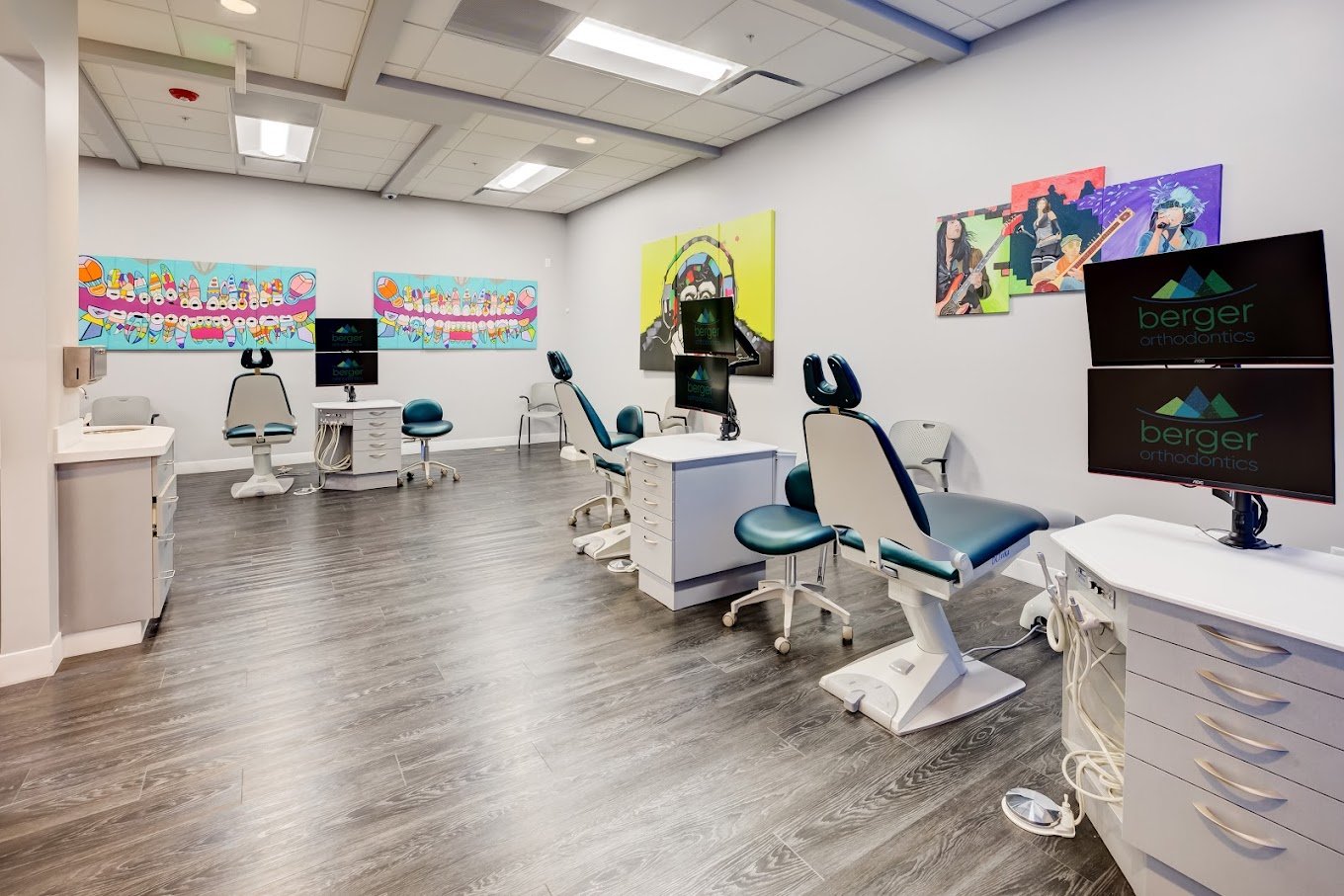

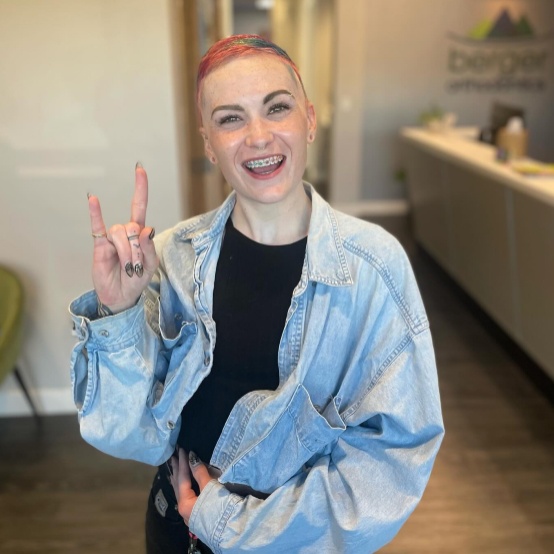
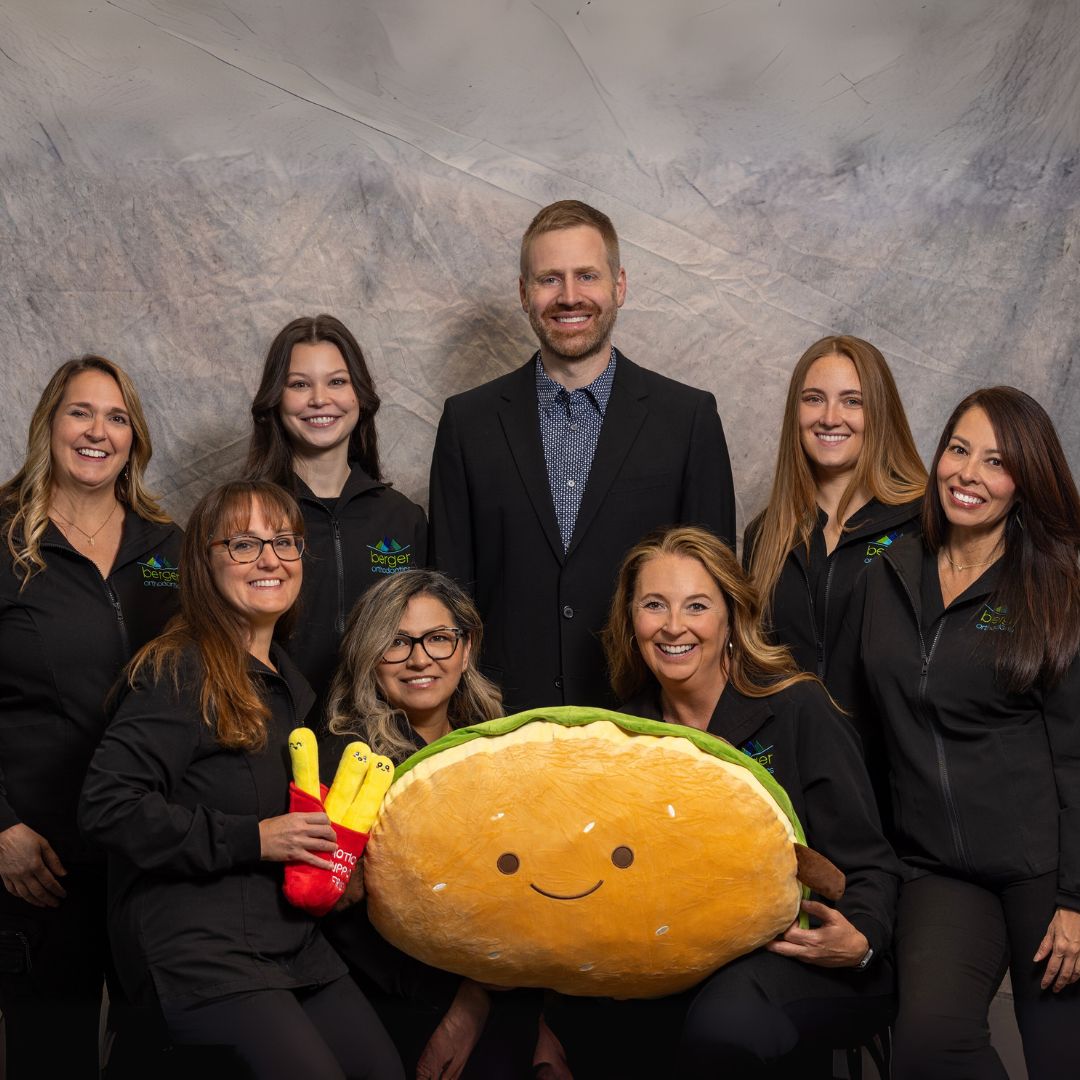
Every smile is unique, so each treatment plan is custom-tailored to your smile. We provide personalized care to determine which treatment option is right for you.
Invisalign
Invisalign uses a series of customized, clear aligners to straighten teeth faster and with fewer office visits than traditional braces.
As one of the most trusted options for orthodontic treatment, today’s braces are more advanced, comfortable, and effective than ever for even better results.
What is the job of a person who makes orthodontic retainers?
An orthodontic retainer is custom-made by a dental technician or orthodontic lab technician based on the orthodontist's specifications. Their job involves creating precise molds, fabricating the retainer, and ensuring it fits comfortably to maintain the results of orthodontic treatment.
What to write for a personal statement for orthodontics?
When writing a personal statement for orthodontics, focus on your passion for creating beautiful smiles, commitment to patient care, and desire to make a positive impact. Highlight relevant experiences, skills, and qualities that demonstrate your dedication to the field. Emphasize your communication skills, attention to detail, and ability to work in a team. Share personal anecdotes that showcase your motivation and genuine interest in orthodontics. Be authentic, concise, and compelling in expressing your aspirations and goals within the orthodontic profession.
How many words should a personal statement for orthodontics be?
A personal statement for orthodontics should typically be around 500-800 words in length. This range allows applicants to effectively showcase their experiences, skills, and passion for the field while keeping the statement concise and focused on key points.
How are personalized orthodontics designed?
Personalized orthodontics are designed by creating custom treatment plans tailored to each individual's unique smile. This involves considering factors like alignment, bite, and aesthetic goals to achieve the best results. Treatment options may include braces, Invisalign, or specialized treatments like InBrace, all personalized for optimal outcomes.
What materials are used in orthodontics?
Orthodontic materials include metal brackets, ceramic brackets, clear aligners, archwires, elastics, and retainers. These materials are used in various treatments to straighten teeth and align jaws effectively. Each material has unique properties and benefits for orthodontic care.
Can orthodontic treatment be customized?
Orthodontic treatment can be customized to suit individual needs. Treatments like Invisalign, braces, and InBrace are tailored to each patient's unique smile. Comprehensive approaches address both functional and aesthetic aspects for optimal results. Consult with an orthodontist to determine the best personalized treatment plan.
What technology advances personalized orthodontics?
Personalized orthodontics benefit from advanced technology like Invisalign, braces, and InBrace. These treatments offer customized options for efficient and discreet teeth straightening. Cutting-edge bracket technology, clear aligners, and hidden behind-the-teeth solutions ensure personalized care for every smile.
Are personalized orthodontic treatments more effective?
Personalized orthodontic treatments are more effective because they are tailored to each individual's unique smile, ensuring optimal results. By customizing the treatment plan, orthodontists can address specific needs and achieve better outcomes for patients. This personalized approach leads to improved comfort, efficiency, and overall satisfaction with the treatment process.
How do retainers maintain orthodontic results?
Retainers maintain orthodontic results by holding teeth in their new positions after braces are removed. They prevent teeth from shifting back, allowing the bone and tissues to adapt to the new alignment, ensuring a lasting and stable smile. Regular wear as directed by the orthodontist is crucial for long-term success.
What innovations exist in orthodontics?
Innovations in orthodontics include InBrace, Invisalign, advanced braces, MARPE/MSE, TADs, airway orthodontics, early orthodontics, and orthognathic surgery. These treatments offer personalized options for all ages, focusing on both function and aesthetics for optimal results.
Is personalized orthodontics more costly?
Personalized orthodontics may vary in cost depending on the specific treatment plan and individual needs. Factors such as the type of treatment, duration, and complexity can influence the overall cost. It's best to consult with your orthodontist to discuss personalized treatment options and associated costs.
How to choose an orthodontic specialist?
When choosing an orthodontic specialist, consider their experience, treatment options offered (such as braces or Invisalign), patient reviews, and the convenience of the location. Schedule a consultation to discuss your specific needs and ensure a personalized treatment plan.
What certifications do orthodontists need?
Orthodontists need a Doctor of Dental Surgery (DDS) or Doctor of Dental Medicine (DMD) degree, followed by completion of a postgraduate orthodontic residency program accredited by the American Dental Association. Additionally, they must obtain state licensure to practice orthodontics.
How to care for orthodontic retainers?
To care for orthodontic retainers, rinse them with water after eating, brush them gently with a soft toothbrush and mild soap, and store them properly when not in use. Avoid exposing them to heat or bending them. Follow your orthodontist's specific care instructions for optimal maintenance.
What are common orthodontic procedures?
Common orthodontic procedures include braces, Invisalign, InBrace, early orthodontics, MARPE/MSE, TADs, Herbst functional treatment, orthognathic surgery, retainers, and emergency care. Each treatment is personalized to address specific orthodontic needs for patients of all ages.
What benefits do orthodontic retainers offer?
Orthodontic retainers help maintain the alignment of teeth post-treatment, prevent relapse, and ensure long-term stability. They are custom-made for each patient and are essential for preserving the results achieved through orthodontic treatment. Retainers are crucial for preventing shifting and maintaining a straight smile.
Can orthodontics correct all bite issues?
Orthodontics can correct many bite issues, including overbites, underbites, crossbites, and open bites. However, severe cases may require additional treatments like orthognathic surgery for optimal results. It's essential to consult with an orthodontist to determine the best course of action for individual cases.
How does orthodontic insurance coverage work?
Orthodontic insurance coverage typically includes a lifetime maximum benefit for orthodontic treatment. This benefit is often a percentage of the total treatment cost, with the patient responsible for any remaining balance. Prior authorization may be required, and coverage varies based on the specific insurance plan.
What distinguishes various orthodontic practices?
Orthodontic practices can differ in treatment options, technology, personalized care, and patient experience. Services like Invisalign, braces, InBrace, and early orthodontics showcase the range of treatments available. Advanced techniques such as TADs, MARPE/MSE, and airway orthodontics set practices apart in providing comprehensive care for all ages.
How long does orthodontic treatment last?
Orthodontic treatment duration varies based on individual needs, typically lasting 18-24 months. Factors like treatment type, complexity, and patient compliance influence the timeline. Regular appointments and following orthodontist's instructions help achieve optimal results within the estimated timeframe.
How to maintain hygiene with braces?
Maintaining hygiene with braces is crucial. Here are some tips:
1. Brush after every meal.
2. Use a floss threader or interdental brush.
3. Rinse with mouthwash.
4. Avoid sticky or hard foods.
5. Attend regular dental cleanings.
Are there risks to orthodontic treatments?
Orthodontic treatments, including braces and Invisalign, carry minimal risks such as tooth decay, gum disease, and temporary discomfort. Complications are rare but can include allergic reactions, root resorption, or changes in bite. Regular check-ups and following orthodontist instructions can help mitigate these risks.
How often are orthodontic appointments needed?
Orthodontic appointments are typically scheduled every 4 to 8 weeks, depending on the treatment plan and progress. Regular visits are crucial for adjustments, monitoring, and ensuring the treatment stays on track for optimal results.
Can adults benefit from orthodontics?
Adults can benefit from orthodontic treatment to improve their smile, bite alignment, and overall oral health. Options like Invisalign, braces, and InBrace offer discreet and efficient solutions for adults seeking orthodontic care. Consultation with an orthodontist can determine the best treatment plan for adult orthodontic needs.
How to manage discomfort from orthodontics?
To manage discomfort from orthodontics, consider these tips:
Use orthodontic wax to cover any irritating brackets or wires.
Rinse with warm saltwater to alleviate soreness.
Take over-the-counter pain relievers as needed.
Eat soft foods to reduce pressure on teeth.
Stay consistent with good oral hygiene practices.
What foods to avoid with braces?
When wearing braces, it's best to avoid sticky, hard, or chewy foods to prevent damage. Foods to avoid include:
Hard candies
Popcorn
Nuts
Chewy candies
Ice
Hard fruits and vegetables
How does digital imaging aid orthodontics?
Digital imaging in orthodontics provides precise 3D views of the teeth and jaw, aiding in treatment planning, monitoring progress, and ensuring accurate results. It allows for better visualization of structures, improved communication with patients, and streamlined treatment processes.
How to prepare for orthodontic treatment?
To prepare for orthodontic treatment, follow these steps:
1. Schedule a consultation with an orthodontist.
2. Discuss treatment options and expectations.
3. Prepare for any necessary dental work before starting treatment.
4. Plan for adjustments to your oral hygiene routine.
5. Get familiar with the types of braces or aligners you'll be using.
6. Follow any pre-treatment instructions provided by your orthodontist.
What outcomes to expect from orthodontics?
Orthodontic treatment can lead to straighter teeth, improved bite alignment, enhanced facial aesthetics, easier oral hygiene, and increased confidence. The specific outcomes vary based on individual needs and treatment plans, but overall, orthodontics aims to create a healthier, more functional, and aesthetically pleasing smile.
How is orthodontic success measured?
Orthodontic success is typically measured by the alignment of teeth, bite correction, overall oral health improvement, patient satisfaction, and long-term stability of results. Additionally, successful orthodontic treatment should address functional issues and enhance the aesthetics of the smile. Regular follow-ups and retention phase completion also contribute to measuring success.
berger orthodontics anaheim, clear aligners arvada co, orthodontics arvada, arvada orthodontist, berger orthodontics, michael berger orthodontist, personalized orthodontic treatments, authentic orthodontics, clear aligners arvada, dr berger orthodontist, dr michael berger orthodontist, dr berger orthodontics, personalized orthodontics, clear aligners arvado co, dr berger ortho, berger ortho, inbrace portal, metal braces arvado co, dr berger colorado, orthodontic design co, arvada orthodontics, arvada dental and orthodontics, braces braces, dr. berger ortho, orthodontist newr me, arvada braces, berger orthodontist, bergers braces, bryce berger, inbrace doctor portal, braces arvado co, orthodontist near me, dr berg orthodontist, burger orth, dr berger, dr beeger, dr. berger, orthdontist near me, orthodontics, orthodontist, orthodonist, orthodontic consultation bag, orthodontic care, customized orthodontic treatments, customized orthodontic care, knee pain relief arvada, braces near me, personalized orthodontic care, west arvada orthodontics, orthodontic clinic providing personalized treatment plans, hip pain relief arvada
Benefits of InBrace Treatment
InBrace offers a discreet way to straighten your teeth without the need for visible braces. The custom-made design ensures a comfortable fit and efficient treatment process. With InBrace, you can continue to live your life without any interruptions while achieving a beautiful smile.
Unlike traditional braces, InBrace is completely hidden behind your teeth, making it a popular choice for those who prefer a more subtle orthodontic treatment option. The fast and efficient treatment process allows you to start seeing results sooner, giving you the confidence to smile brightly.
Why Choose Berger Orthodontics
At Berger Orthodontics, we provide personalized care for patients of all ages. Our comprehensive approach focuses on both the functional and aesthetic aspects of your smile to ensure the best possible results. Dr. Berger and his team are dedicated to creating custom-tailored treatment plans that meet your unique needs and preferences.
With advanced treatments such as Invisalign, braces, and InBrace, we offer a range of options to help you achieve your desired smile. Our 5-star care ensures that you feel comfortable and confident throughout your orthodontic journey. Visit us in Arvada, CO, to experience the difference of personalized orthodontics at Berger Orthodontics.
What is the job of a person who makes orthodontic retainers?
An orthodontic retainer is custom-made by a dental technician or orthodontic lab technician based on the orthodontist's specifications. Their job involves creating precise molds, fabricating the retainer, and ensuring it fits comfortably to maintain the results of orthodontic treatment.
What to write for a personal statement for orthodontics?
When writing a personal statement for orthodontics, focus on your passion for creating beautiful smiles, commitment to patient care, and desire to make a positive impact. Highlight relevant experiences, skills, and qualities that demonstrate your dedication to the field. Emphasize your communication skills, attention to detail, and ability to work in a team. Share personal anecdotes that showcase your motivation and genuine interest in orthodontics. Be authentic, concise, and compelling in expressing your aspirations and goals within the orthodontic profession.
How many words should a personal statement for orthodontics be?
A personal statement for orthodontics should typically be around 500-800 words in length. This range allows applicants to effectively showcase their experiences, skills, and passion for the field while keeping the statement concise and focused on key points.
How are personalized orthodontics designed?
Personalized orthodontics are designed by creating custom treatment plans tailored to each individual's unique smile. This involves considering factors like alignment, bite, and aesthetic goals to achieve the best results. Treatment options may include braces, Invisalign, or specialized treatments like InBrace, all personalized for optimal outcomes.
What materials are used in orthodontics?
Orthodontic materials include metal brackets, ceramic brackets, clear aligners, archwires, elastics, and retainers. These materials are used in various treatments to straighten teeth and align jaws effectively. Each material has unique properties and benefits for orthodontic care.
Can orthodontic treatment be customized?
Orthodontic treatment can be customized to suit individual needs. Treatments like Invisalign, braces, and InBrace are tailored to each patient's unique smile. Comprehensive approaches address both functional and aesthetic aspects for optimal results. Consult with an orthodontist to determine the best personalized treatment plan.
What technology advances personalized orthodontics?
Personalized orthodontics benefit from advanced technology like Invisalign, braces, and InBrace. These treatments offer customized options for efficient and discreet teeth straightening. Cutting-edge bracket technology, clear aligners, and hidden behind-the-teeth solutions ensure personalized care for every smile.
Are personalized orthodontic treatments more effective?
Personalized orthodontic treatments are more effective because they are tailored to each individual's unique smile, ensuring optimal results. By customizing the treatment plan, orthodontists can address specific needs and achieve better outcomes for patients. This personalized approach leads to improved comfort, efficiency, and overall satisfaction with the treatment process.
How do retainers maintain orthodontic results?
Retainers maintain orthodontic results by holding teeth in their new positions after braces are removed. They prevent teeth from shifting back, allowing the bone and tissues to adapt to the new alignment, ensuring a lasting and stable smile. Regular wear as directed by the orthodontist is crucial for long-term success.
What innovations exist in orthodontics?
Innovations in orthodontics include InBrace, Invisalign, advanced braces, MARPE/MSE, TADs, airway orthodontics, early orthodontics, and orthognathic surgery. These treatments offer personalized options for all ages, focusing on both function and aesthetics for optimal results.
Is personalized orthodontics more costly?
Personalized orthodontics may vary in cost depending on the specific treatment plan and individual needs. Factors such as the type of treatment, duration, and complexity can influence the overall cost. It's best to consult with your orthodontist to discuss personalized treatment options and associated costs.
How to choose an orthodontic specialist?
When choosing an orthodontic specialist, consider their experience, treatment options offered (such as braces or Invisalign), patient reviews, and the convenience of the location. Schedule a consultation to discuss your specific needs and ensure a personalized treatment plan.
What certifications do orthodontists need?
Orthodontists need a Doctor of Dental Surgery (DDS) or Doctor of Dental Medicine (DMD) degree, followed by completion of a postgraduate orthodontic residency program accredited by the American Dental Association. Additionally, they must obtain state licensure to practice orthodontics.
How to care for orthodontic retainers?
To care for orthodontic retainers, rinse them with water after eating, brush them gently with a soft toothbrush and mild soap, and store them properly when not in use. Avoid exposing them to heat or bending them. Follow your orthodontist's specific care instructions for optimal maintenance.
What are common orthodontic procedures?
Common orthodontic procedures include braces, Invisalign, InBrace, early orthodontics, MARPE/MSE, TADs, Herbst functional treatment, orthognathic surgery, retainers, and emergency care. Each treatment is personalized to address specific orthodontic needs for patients of all ages.
What benefits do orthodontic retainers offer?
Orthodontic retainers help maintain the alignment of teeth post-treatment, prevent relapse, and ensure long-term stability. They are custom-made for each patient and are essential for preserving the results achieved through orthodontic treatment. Retainers are crucial for preventing shifting and maintaining a straight smile.
Can orthodontics correct all bite issues?
Orthodontics can correct many bite issues, including overbites, underbites, crossbites, and open bites. However, severe cases may require additional treatments like orthognathic surgery for optimal results. It's essential to consult with an orthodontist to determine the best course of action for individual cases.
How does orthodontic insurance coverage work?
Orthodontic insurance coverage typically includes a lifetime maximum benefit for orthodontic treatment. This benefit is often a percentage of the total treatment cost, with the patient responsible for any remaining balance. Prior authorization may be required, and coverage varies based on the specific insurance plan.
What distinguishes various orthodontic practices?
Orthodontic practices can differ in treatment options, technology, personalized care, and patient experience. Services like Invisalign, braces, InBrace, and early orthodontics showcase the range of treatments available. Advanced techniques such as TADs, MARPE/MSE, and airway orthodontics set practices apart in providing comprehensive care for all ages.
How long does orthodontic treatment last?
Orthodontic treatment duration varies based on individual needs, typically lasting 18-24 months. Factors like treatment type, complexity, and patient compliance influence the timeline. Regular appointments and following orthodontist's instructions help achieve optimal results within the estimated timeframe.
How to maintain hygiene with braces?
Maintaining hygiene with braces is crucial. Here are some tips:
1. Brush after every meal.
2. Use a floss threader or interdental brush.
3. Rinse with mouthwash.
4. Avoid sticky or hard foods.
5. Attend regular dental cleanings.
Are there risks to orthodontic treatments?
Orthodontic treatments, including braces and Invisalign, carry minimal risks such as tooth decay, gum disease, and temporary discomfort. Complications are rare but can include allergic reactions, root resorption, or changes in bite. Regular check-ups and following orthodontist instructions can help mitigate these risks.
How often are orthodontic appointments needed?
Orthodontic appointments are typically scheduled every 4 to 8 weeks, depending on the treatment plan and progress. Regular visits are crucial for adjustments, monitoring, and ensuring the treatment stays on track for optimal results.
Can adults benefit from orthodontics?
Adults can benefit from orthodontic treatment to improve their smile, bite alignment, and overall oral health. Options like Invisalign, braces, and InBrace offer discreet and efficient solutions for adults seeking orthodontic care. Consultation with an orthodontist can determine the best treatment plan for adult orthodontic needs.
How to manage discomfort from orthodontics?
To manage discomfort from orthodontics, consider these tips:
Use orthodontic wax to cover any irritating brackets or wires.
Rinse with warm saltwater to alleviate soreness.
Take over-the-counter pain relievers as needed.
Eat soft foods to reduce pressure on teeth.
Stay consistent with good oral hygiene practices.
What foods to avoid with braces?
When wearing braces, it's best to avoid sticky, hard, or chewy foods to prevent damage. Foods to avoid include:
Hard candies
Popcorn
Nuts
Chewy candies
Ice
Hard fruits and vegetables
How does digital imaging aid orthodontics?
Digital imaging in orthodontics provides precise 3D views of the teeth and jaw, aiding in treatment planning, monitoring progress, and ensuring accurate results. It allows for better visualization of structures, improved communication with patients, and streamlined treatment processes.
How to prepare for orthodontic treatment?
To prepare for orthodontic treatment, follow these steps:
1. Schedule a consultation with an orthodontist.
2. Discuss treatment options and expectations.
3. Prepare for any necessary dental work before starting treatment.
4. Plan for adjustments to your oral hygiene routine.
5. Get familiar with the types of braces or aligners you'll be using.
6. Follow any pre-treatment instructions provided by your orthodontist.
What outcomes to expect from orthodontics?
Orthodontic treatment can lead to straighter teeth, improved bite alignment, enhanced facial aesthetics, easier oral hygiene, and increased confidence. The specific outcomes vary based on individual needs and treatment plans, but overall, orthodontics aims to create a healthier, more functional, and aesthetically pleasing smile.
How is orthodontic success measured?
Orthodontic success is typically measured by the alignment of teeth, bite correction, overall oral health improvement, patient satisfaction, and long-term stability of results. Additionally, successful orthodontic treatment should address functional issues and enhance the aesthetics of the smile. Regular follow-ups and retention phase completion also contribute to measuring success.
berger orthodontics anaheim, clear aligners arvada co, orthodontics arvada, arvada orthodontist, berger orthodontics, michael berger orthodontist, personalized orthodontic treatments, authentic orthodontics, clear aligners arvada, dr berger orthodontist, dr michael berger orthodontist, dr berger orthodontics, personalized orthodontics, clear aligners arvado co, dr berger ortho, berger ortho, inbrace portal, metal braces arvado co, dr berger colorado, orthodontic design co, arvada orthodontics, arvada dental and orthodontics, braces braces, dr. berger ortho, orthodontist newr me, arvada braces, berger orthodontist, bergers braces, bryce berger, inbrace doctor portal, braces arvado co, orthodontist near me, dr berg orthodontist, burger orth, dr berger, dr beeger, dr. berger, orthdontist near me, orthodontics, orthodontist, orthodonist, orthodontic consultation bag, orthodontic care, customized orthodontic treatments, customized orthodontic care, knee pain relief arvada, braces near me, personalized orthodontic care, west arvada orthodontics, orthodontic clinic providing personalized treatment plans, hip pain relief arvada
Benefits of InBrace Treatment
InBrace offers a discreet way to straighten your teeth without the need for visible braces. The custom-made design ensures a comfortable fit and efficient treatment process. With InBrace, you can continue to live your life without any interruptions while achieving a beautiful smile.
Unlike traditional braces, InBrace is completely hidden behind your teeth, making it a popular choice for those who prefer a more subtle orthodontic treatment option. The fast and efficient treatment process allows you to start seeing results sooner, giving you the confidence to smile brightly.
Why Choose Berger Orthodontics
At Berger Orthodontics, we provide personalized care for patients of all ages. Our comprehensive approach focuses on both the functional and aesthetic aspects of your smile to ensure the best possible results. Dr. Berger and his team are dedicated to creating custom-tailored treatment plans that meet your unique needs and preferences.
With advanced treatments such as Invisalign, braces, and InBrace, we offer a range of options to help you achieve your desired smile. Our 5-star care ensures that you feel comfortable and confident throughout your orthodontic journey. Visit us in Arvada, CO, to experience the difference of personalized orthodontics at Berger Orthodontics.